

XFC YoungGuns 4 Goes Down In Grand Rapids, Michigan
XFC's YoungGuns 4 was confirmed for December 10 at The DeltaPlex Arena in Grand Rapids, Michigan, taking the Hexagon back to a state the promotion had just visited. The announcement was short on bout names and heavy on intent, which is normal for a showcase card announced weeks in advance: the venue, the date and the series are settled long before the matchmaking is finished.
Why the promotion returned to Michigan
The card followed the success of the promotion's August event at the same building, which had been broadcast live on FOX Sports 2, on FOX Deportes and around the world through the promotion's own streaming platform. Repeating a venue that had already worked removes a large amount of operational risk and gives the promotion a local audience that has been introduced to the product once already.
The promotion's vice president of fight operations said the organisation was extremely excited to bring the XFC back to Michigan and to Grand Rapids, crediting the fighters and fans with showing great support in August and describing the card as stacked. The chief executive added that Michigan is home to some of the biggest fight fans on the planet and some of the best fighters in the sport.
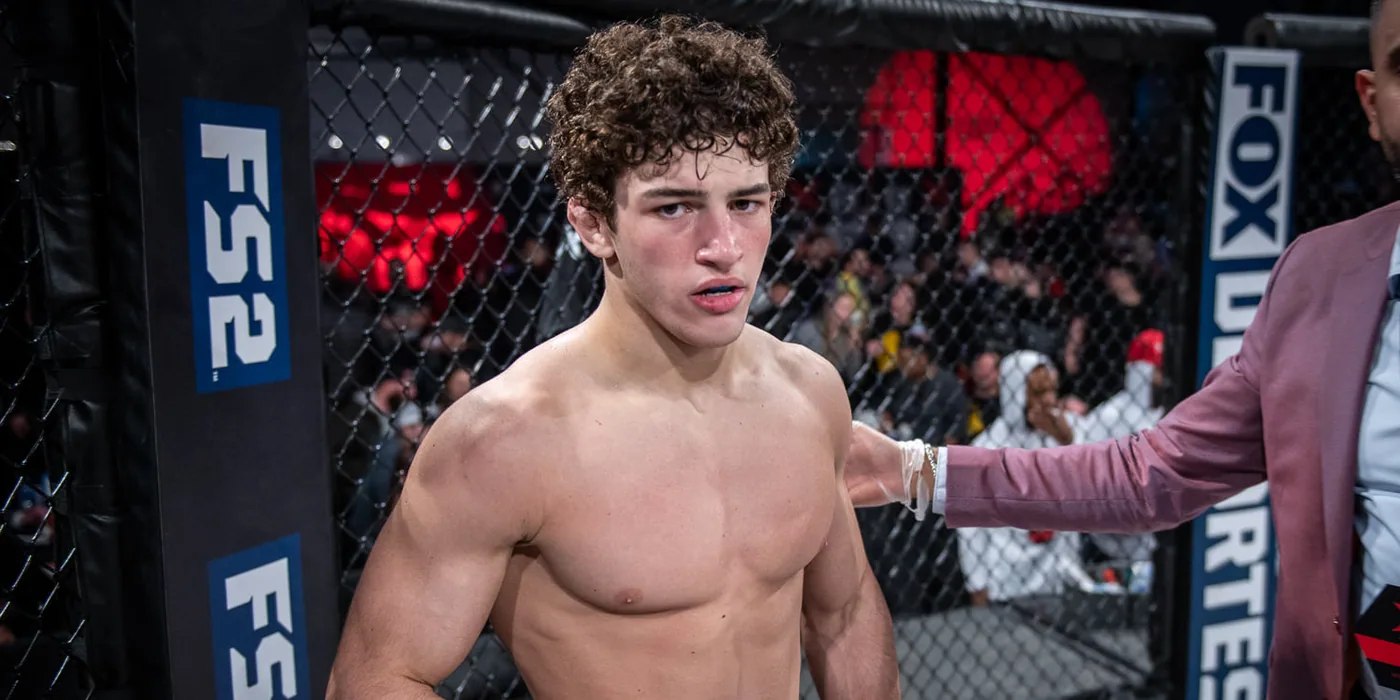
What the YoungGuns series is for
YoungGuns is the developmental layer of the promotion's calendar. It exists to put athletes on a televised card before they are ready for a headline bout, giving them the experience of a professional show while the matchmaking around them stays competitive rather than sacrificial. Cards in the series typically mix professional debutants with young fighters who already have a handful of bouts behind them.
- A televised platform for fighters early in their careers.
- Professional debuts placed on the same card as established prospects.
- Amateur and professional bouts used to build divisions from the bottom.
- A bridge into the promotion's tournament structures.
The venue and the market
The DeltaPlex Arena is a mid-sized multi-purpose building that has hosted combat sports for years, which makes it a sensible home for a showcase card. It is large enough to look full on camera and small enough that a well-promoted local card can fill it, and the surrounding region has a deep amateur scene that supplies both fighters and spectators.
Michigan also sits close to several strong wrestling and grappling programmes, which matters to a promotion that recruits on athletic background as much as on professional record. Being visible in a market with a serious amateur pipeline is a recruitment strategy in itself.
How a showcase card is built
The sequence for a card like this is more structured than it looks from outside, and the table below sets out the order in which the pieces usually come together. Note that the fight card is one of the last items, which is why early announcements talk about venues and dates rather than opponents.
| Stage | What is decided | Typical timing |
|---|---|---|
| Venue | Building and date | Months ahead |
| Broadcast | Network and start time | Before the card is final |
| Series | Which banner the event runs under | With the venue |
| Card | Bouts and running order | Weeks before the event |
| Promotion | Local and national marketing | From announcement to fight night |
What the announcement signalled
Announcing a second card in the same market within months is a statement about continuity. Promotions that are unsure of their calendar tend to announce one event at a time and let the results decide what happens next, while a company that expects to be running regularly can commit to a building and a date in advance. For fighters, that predictability is what makes a development contract worth signing.
Card details, once published, belong with the rest of the promotion's announcements in the Press Releases section, and dated event information is collected on the Schedule. This page records the announcement of the event itself and the reasoning behind the choice of market.
What a returning market proves
A second event in the same city within a season is a test of whether the first one created followers rather than a single night out. Ticket sales in a repeat market are the clearest signal a promotion has about whether its television coverage converted viewers into customers, and that signal decides which cities get a regular slot on the calendar and which get one visit.
It also changes what the promotion can promise its broadcast partner. A market that reliably fills a mid-sized arena supports a predictable event, which is easier to schedule than a tour of first-time cities. Development series are often used to find those markets precisely because a showcase card costs less to stage than a headline event.
The promotion's own description of the event, that the future of MMA would be on full display, is a reasonable summary of what a showcase card is for. It is a night built to introduce athletes to a television audience before their names carry any weight, and its success is measured by how many of those athletes are still on the roster two seasons later.