
XFC 44 Results And What Came Next
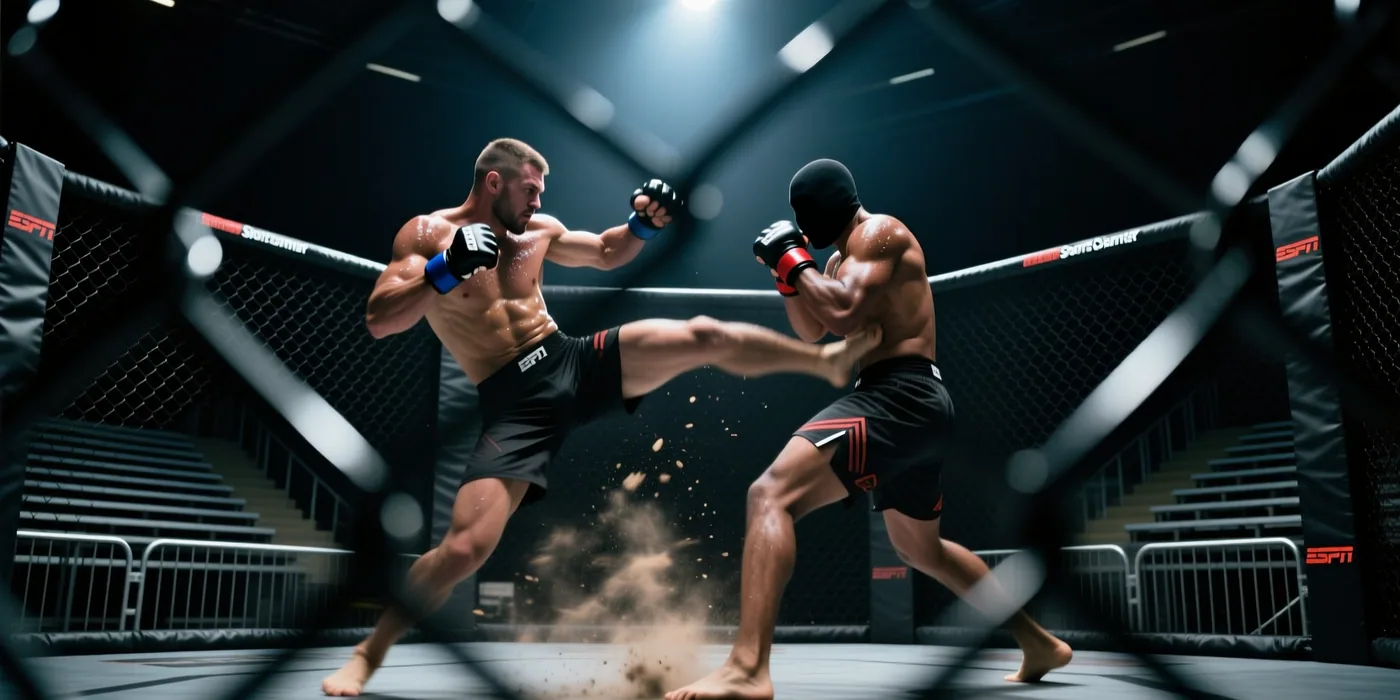
XFC 44 took place on Friday, May 28 at Wells Fargo Arena in Des Moines, Iowa, as part of a one-night, two-event professional MMA showcase broadcast live on FOX Deportes, FOX Sports 2 and the promotion's own streaming platform. The results resolved several tournament places at once and, in doing so, set the shape of the divisions for the rest of the season.
The XFC 44 results
Jose Quinonez defeated Andre Soukhamthath by unanimous decision, with all three judges scoring the bout 30-27. Bobby Nash defeated Ryan Dickson by knockout three minutes into the first round and advanced to the final of the welterweight tournament. Kurt Holobaugh stopped Jose Verdugo by knockout eleven seconds into the second round and advanced to the final of the lightweight tournament. Brett Martin defeated Marino Eatman by unanimous decision.
Damonte Robinson defeated Tom O'Connor by unanimous decision and advanced to the final of the lightweight tournament, while LaRue Burley stopped Bradley Desir by technical knockout three minutes and fourteen seconds into the third round to reach the final of the welterweight tournament. Austin Bashi defeated Emanuel Pugh by unanimous decision on the same card.
The YoungGuns 2 results
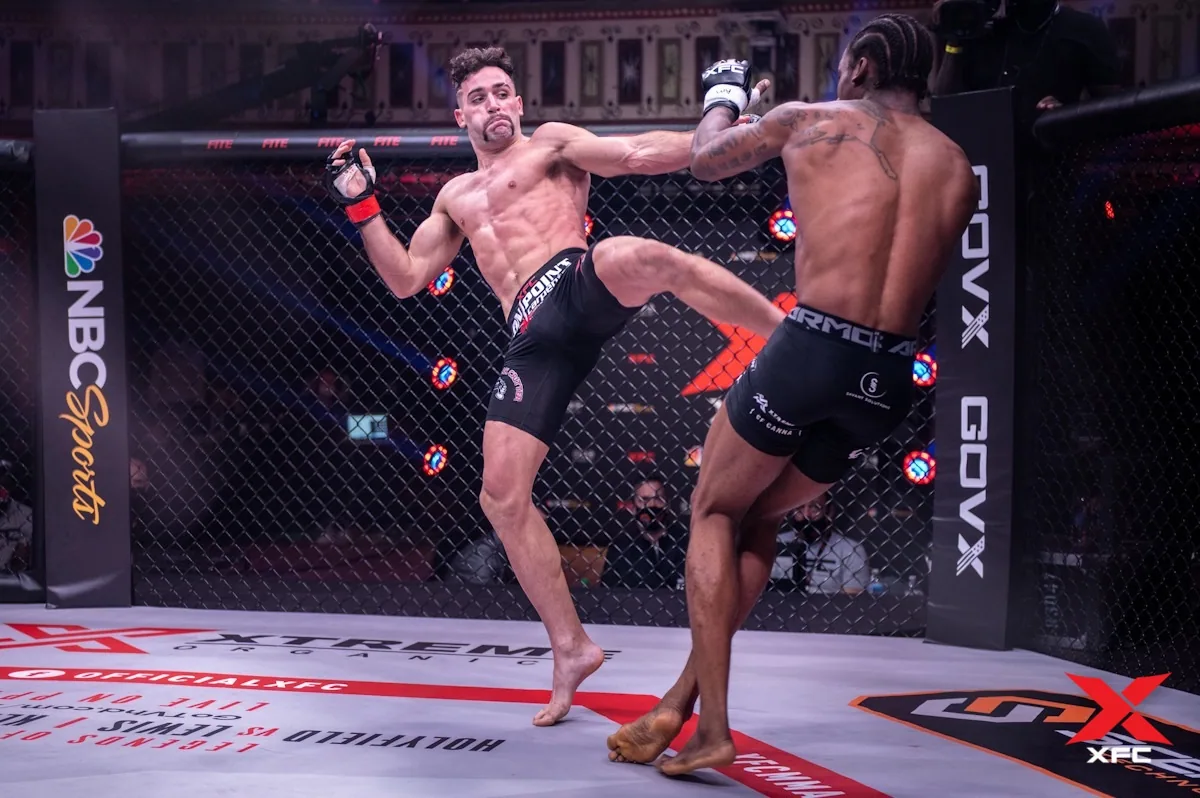
The development card preceded the main event at the same arena and produced a run of decisions alongside two early finishes. Jake Kozorosky defeated Davi Young by split decision, Cody Linne submitted Orlando Ortego with an armbar three minutes and sixteen seconds into the first round, and Dennis Hughes Jr. defeated Ali Omar by unanimous decision.
Tyson Miller defeated Luis Conde-Navarro by unanimous decision, Juan Roman stopped Egor Gorbachev by technical knockout with three seconds left in the first round, and Atty Belanger defeated Autumn Newcomb by unanimous decision on the same portion of the night.
What the two tournament finals meant
The results produced two finals from four semifinal bouts. In the welterweight bracket Bobby Nash advanced after stopping Ryan Dickson in the first round, while LaRue Burley advanced by third-round technical knockout against Bradley Desir. In the lightweight bracket Kurt Holobaugh and Damonte Robinson advanced by contrasting routes, one a second-round stoppage and the other a decision that went to the scorecards.
Two finals built by two different methods is the ideal outcome for a tournament. One bracket produced finishers and the other produced fighters who could win a longer fight, and the final in each division therefore matched contrasting styles rather than repeating a pattern.
What a one-night two-event format delivers
Running a development card and a headline card on the same night in the same building is efficient in ways that are easy to overlook. The table below sets out what the format changes for the promotion, for the fighters and for the audience, which explains why the organisation used it for a card of this size.
| Aspect | Effect for the promotion | Effect for fighters |
|---|---|---|
| Venue | One build, one crew, two cards | Same arena for both rosters |
| Broadcast | A longer window on one network | More televised slots |
| Audience | More bouts per ticket price | Bigger crowd for prelims |
| Development | Prospects share a headline night | Exposure before the main card |
Why results announcements matter to a promotion
Publishing results in full is a discipline that separates promotions people trust from promotions they do not. Fighters need their records to be accurate and searchable, managers need a reliable public record when negotiating, and broadcast partners need results that appear consistently rather than a highlights package that skips the prelims.
- Every bout recorded, including preliminary card decisions.
- Method and round published alongside the result.
- Tournament advancement stated explicitly.
- Results issued on the night rather than days later.
What came next
The immediate consequence of the night was a clearer picture of two divisions. With both tournament finals set, the promotion could promote the concluding bout in each bracket as a title-level occasion rather than as another card of unrelated fights, and the fighters who had advanced gained a reason for their next appearance that did not depend on the matchmaker's opinion.
Beyond the brackets, the card confirmed that the development series could produce athletes who were ready to appear on a headline night, which is the whole point of running the two events together. Confirmed dates and future cards are collected on the Schedule, and the promotion's announcements appear in the Press Releases section as they are published.
What a night of decisions reveals about a division
A card that produces a large number of decisions is often described as cautious, but in a tournament context it reveals something more useful: which fighters can manage a full fifteen minutes without fading or losing their shape. Those athletes tend to progress further than competitors who depend on an early finish, because a bracket eventually matches them against someone who cannot be stopped quickly.
The night also produced two first-round stoppages on the same card, which balances the picture. A promotion needs both types of fighters on its roster, and a tournament that advances finishers alongside decision winners creates a final between contrasting styles rather than a repeat of the bouts that came before.