

XFC Locks In A September Tryout Date In Michigan
The promotion confirmed a September tryout date in Michigan, the first stop of a programme designed to rebuild its roster from the ground up. Fixing a date matters more than it appears to: it commits the organisation to a venue, a host gym and a recruitment budget before a single athlete has been evaluated, and it gives candidates a deadline to prepare for.
The first session of the programme
The Michigan session was the opening event of the tryout series and was hosted by Scorpion Fighting System in Brighton. The gym's founder described the XFC as having a long history of creating opportunities for rising stars and said the partnership would let world-class athletes in the Midwest earn the right to compete in the Hexagon, calling the relaunch exactly what the sport needed to create exposure for up-and-coming fighters.
For the promotion the choice of Michigan was a statement about where it intended to recruit. The state has a long combat sports tradition and a serious amateur wrestling culture, and the promotion had already competed in the region, which meant the tryout could be promoted to an audience that knew the brand.
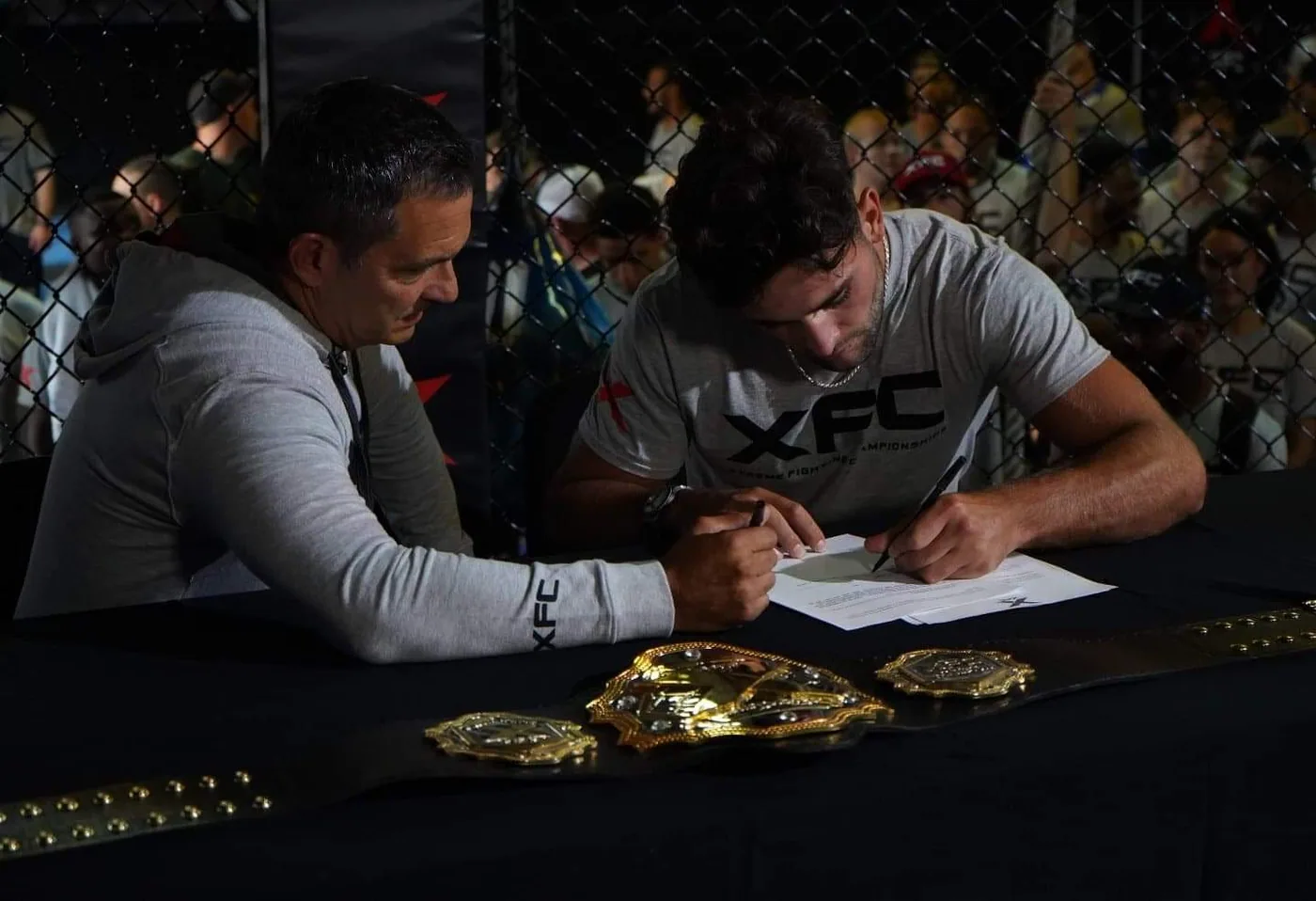
What a fighter had to submit
Registration was capped and candidates had to demonstrate a history of success, a team affiliation and video footage before being considered. The same requirements applied at every location, which keeps the standard consistent and prevents a session in one region becoming easier to enter than another.
- A verifiable competitive record.
- A team or gym affiliation.
- Video evidence of the fighter in competition.
- Registration completed before the entry cap was reached.
How the evaluation day runs
A tryout is a structured day rather than an open sparring session. Candidates are interviewed, assessed on pad work and observed in controlled grappling rounds, and the matchmaking team makes its decisions from the whole picture rather than from any single drill. The format favours athletes who are coachable and composed as much as those who are physically imposing.
That emphasis is deliberate. A promotion signing fighters for a multi-year development plan needs athletes who will improve under coaching, and a single highlight is a poor predictor of that. The evaluation is designed to answer a different question: will this person be better in two years than they are today?
The path from a tryout to a card
The table below sets out what happens after a successful evaluation, from the offer of a contract to the first appearances on a televised card. The sequence explains why the promotion describes the tryouts as a pipeline rather than as a competition.
| Phase | Activity | Timeframe |
|---|---|---|
| Tryout | Evaluation and interview | A single day |
| Offer | Contract and medicals | Days to weeks later |
| Signing | Placement on the roster | After clearance |
| Development | Bouts in the series | First season |
| Main card | Headline-level bookings | Once the fighter is ready |
Why the date itself was the announcement
Promotions announce tryout dates early for a reason. A date fixes the recruitment window, lets gyms in the region promote the opportunity to their own athletes and gives the promotion a deadline for confirming the venue and the staff who will attend. Until a date exists, a tryout is an intention.
The practical advice for an athlete is to treat the date as the deadline for preparation rather than as the start of one. Candidates who arrive having already assembled their footage, documented their record and discussed the opportunity with their coach are in a materially better position than those who begin the process on the day. Details of further sessions appear on the Schedule as they are confirmed.
Why the host gym matters
Choosing an established gym to host a tryout changes the event in practical ways. The facility already has the mats, the equipment and the space for a large field, the staff know how to run a busy session, and the local coaching community has a reason to promote the opportunity to its own athletes rather than treating it as a visiting promotion's private exercise.
It also gives the promotion a reading on the regional scene. A gym that produces several candidates for a tryout is a gym worth following, and a session that reveals a strong local pipeline is more useful to a scouting operation than one that produces a single exceptional athlete from an unknown club.
Registration caps do the same work in reverse. Limiting a session to a fixed number of candidates keeps the evaluation credible and forces applicants to submit material in advance, which means the athletes who attend have already passed a basic screening before anyone books a flight.
The same is true of conditioning. A tryout compresses an evaluation into a single day, and an athlete who is not fit enough to perform through a full session is judged on a version of themselves that no promotion would sign, regardless of how they look in isolated drills.