
XFC Is Back: The Relaunch Of The Xtreme Fighting Championships
After a quiet stretch away from the cage, the Xtreme Fighting Championships confirmed that the promotion would return to the Hexagon and rebuild its roster from the ground up. The organisation, founded in 2006, had spent years producing international events and building a broadcast footprint before stepping away from a regular calendar, and the relaunch was framed around the same idea that started the company: find the next generation of fighters before anyone else does. The announcement reached fans mainly through the promotion's own channels and a short written release, but it reset the schedule for everything that followed, from tryout dates to broadcast negotiations.
What the relaunch actually meant
A relaunch is not a single fight card, and treating it as one is the fastest way to misunderstand what a promotion has to rebuild. For the XFC it meant re-signing fighters, reconstructing the matchmaking department, renegotiating distribution and re-opening the tryout programme that had once taken the company to several countries on three continents. Each of those pieces had to move before a single bout could be announced with any confidence, which is why the public message was deliberately short on dates and heavy on intent.
The promotion had already made its position clear in its own marketing language, describing itself as the largest independent mixed martial arts organisation in the world and labelling its product "The Next Generation of MMA". The comeback was presented as a continuation of that identity rather than a break from it, and the first public communications deliberately echoed the phrasing fans remembered from the previous era of the brand.

The organisation behind the announcement
The XFC was established in 2006 with offices that at various points included Spring Lake in Michigan, New York and Fort Lauderdale, along with operations in Brazil and Argentina. Its growth came from a mix of live events and television, and during its most active years it produced a long run of nationally televised cards in the United States as well as an international tournament and super-fight series in Latin America.
At its peak the promotion described a roster drawn from more than thirty countries and a broadcast footprint measured in hundreds of millions of households, with distribution partners that ranged from open broadcasters to premium cable and streaming services. Those numbers matter to the relaunch because they are the assets a returning promotion has to reactivate rather than simply announce.
- Founded in 2006 as a fighter-first promotion.
- Televised events in the United States from 2009 onward.
- An international tournament and super-fight series launched in Latin America.
- A roster drawn from more than thirty countries.
Why the Hexagon became the brand
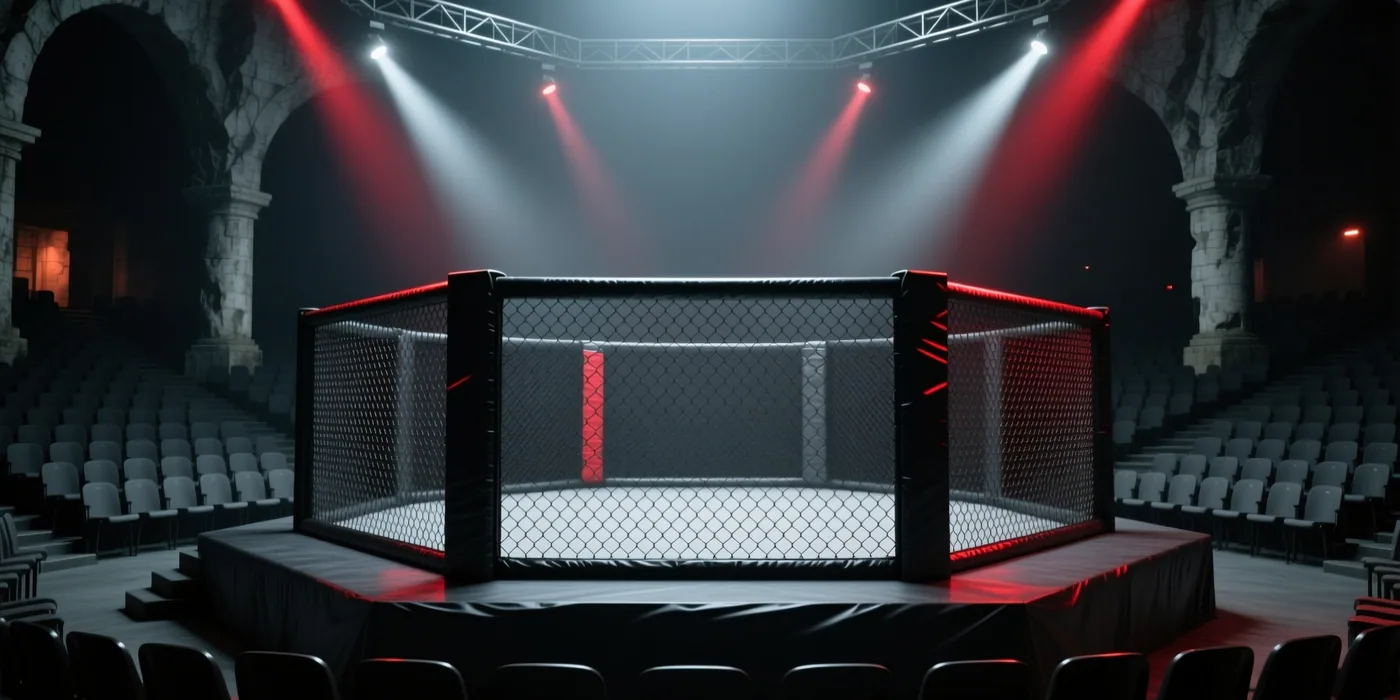
The XFC competes in a Hexagon rather than a cage or a ring, and the six-sided enclosure became the visual signature of the promotion. The shape appears in the logo, in promotional artwork and in the way commentators describe the organisation, and executives have repeatedly said it is more than a set piece: it is the stage on which the promotion's scouting philosophy is supposed to become visible to the audience.
A distinct enclosure also gives a promotion a consistent look across venues, which matters when events are produced for television rather than only for the people in the building. Every camera angle, lighting position and sponsor placement can be designed once and repeated, which lowers production cost and makes the broadcast instantly recognisable to a viewer scrolling through channels.
The pieces a relaunch has to put together
Supporters watching from outside tend to judge a comeback by its first card, but the operational checklist behind that card is longer and far less glamorous. The table below lists the main workstreams in roughly the order they have to be completed, along with why each one is a prerequisite rather than an optional extra for a company returning after a break.
| Workstream | What it involves | Why it matters |
|---|---|---|
| Roster | Signing and re-signing fighters | Without depth there is no credible card |
| Matchmaking | Pairing fighters by division and level | Tournaments need brackets that hold up |
| Broadcast | Distribution deals and scheduling | Reach decides sponsorship value |
| Tryouts | Open sessions for unsigned athletes | Feeds the pipeline for future years |
| Production | Venue, crew and presentation | The look of the show is part of the product |
The message to fighters
The most consequential part of the announcement was aimed at athletes rather than at fans. A promotion that reopens its tryout programme is telling unsigned fighters that there is a route in, and the XFC has historically used those sessions as its primary recruitment tool rather than relying on established names from other organisations.
Fighters who came through those sessions describe a consistent experience: a large field of applicants, short interviews, pad work and grappling, and a decision made quickly by the promotion's matchmakers. For an athlete with no manager and no television exposure, that structure is often the only realistic path into a professional contract.
What to expect next
Relaunch journalism invites speculation, and it is worth being careful about it. Bout names, dates and results belong to the promotion and change with booking decisions, injuries and broadcast windows, so this page does not repeat them. Readers looking for confirmed information should follow the Schedule and the Press Releases section, where announcements are posted as they are made.
What can be said without qualification is that the XFC returned with the same proposition it began with: bring in fighters the wider industry has not yet noticed and give them a stage large enough to be noticed on. Everything else in the relaunch, from financing to distribution to the tryout calendar, followed from that single objective.