
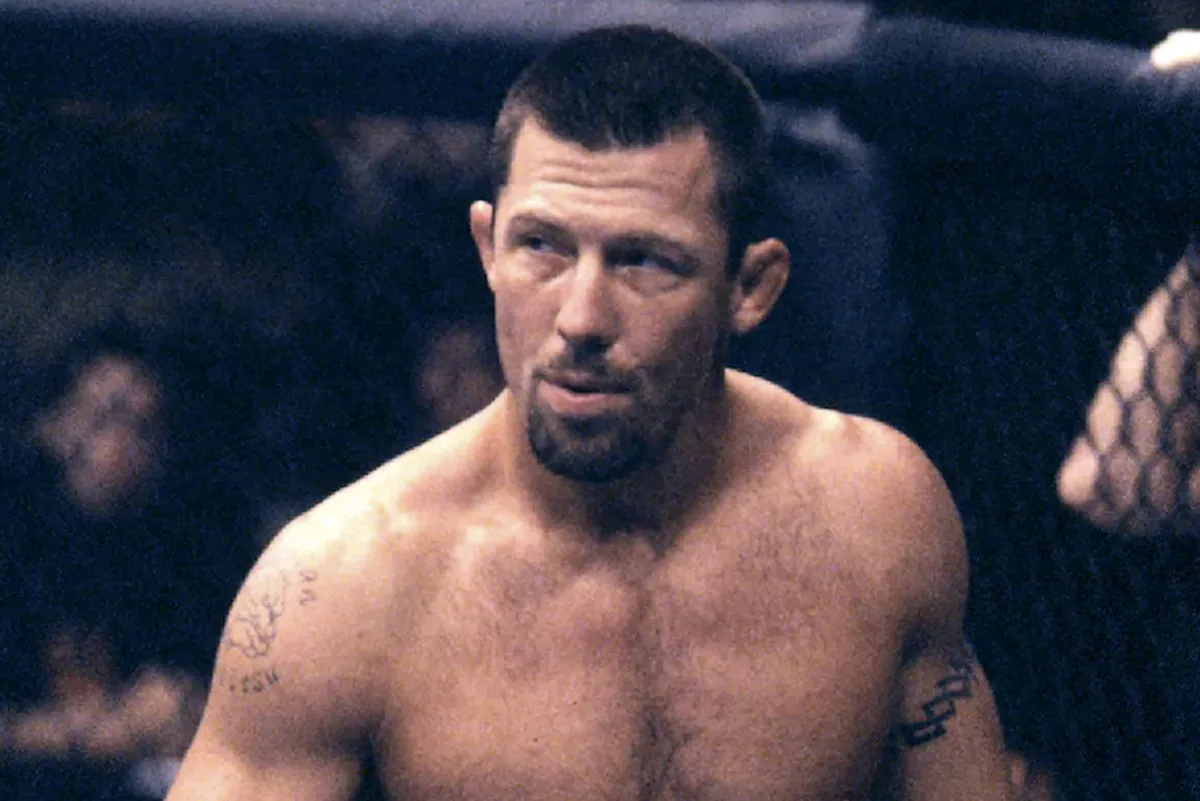
XFC Adds UFC Hall Of Fame Inductee Pat Miletich To Its Advisory Board
The promotion added UFC Hall of Fame inductee Pat Miletich to its advisory board, a move that paired a recognised figure from the sport's history with a company trying to build its future. Advisory appointments rarely generate headlines on their own, but this one was framed as a signal about the values the relaunch intended to be judged by, and it was accompanied by a clear description of the programmes the board would oversee.
Why the appointment was made
The XFC president described Miletich's involvement as something that would evolve over time and create opportunities for the growth of the brand and of the sport generally. He credited Miletich's passion, knowledge and desire with the ability to drive the business model while assisting the executive team through the relaunch, and he made a broader point about respecting the history of the sport as essential to creating its future.
Miletich framed his own role in equally plain terms, saying that his goal had always been to help the sport in any way he could and that he was honoured to contribute to the promotion's mission. An advisory board member who says that is useful in a specific way: they can speak to fighters and to broadcasters about credibility in a way no marketing department can.

The programmes the board was asked to support
The promotion listed the three pillars of its development model when the appointment was announced. They describe how a fighter is expected to move from an unknown amateur to a headline name inside the organisation, and they explain why the company presents itself as a scouting-led business rather than one that simply signs established talent.
- The XFC YoungGuns series for developing fighters.
- The XFC Tournament of Champions for bracketed competition.
- The XFC SuperFight Series for headline-level bouts.
- A stated belief that the best fighters have not yet been discovered.
The role of an advisory board
An advisory board is not a management team and does not run the company day to day. Its value is in credibility, introductions and perspective: reviewing a development plan, connecting executives with people who understand the sport, and lending a name that fighters and partners recognise. When a promotion is relaunching after a break, those functions matter more than their formal irrelevance suggests.
For the sport itself, the appointment was part of a wider pattern in which experienced figures from earlier eras are brought into organisations to bridge generational gaps. Fighters entering the professional ranks today were often children when the previous generation competed, so having someone who can explain how the business used to work is a practical asset as well as a symbolic one.
How such appointments fit the business
Promotions describe these hires in commercial language because that is how a publicly traded company has to explain them to shareholders. The table below shows the areas an advisory board member typically touches and what each contributes, which is why a single appointment can be presented as a strategic event rather than a courtesy.
| Area | Contribution | Practical effect |
|---|---|---|
| Sporting credibility | Recognised experience | Fighters trust the matchmaking |
| Talent pipeline | Judgement on prospects | Better development decisions |
| Broadcast | Industry relationships | Wider distribution conversations |
| Governance | Independent perspective | Shareholder confidence |
| Ambassadorship | Public profile | Visibility for the brand |
What supporters should read into it
Appointments of this kind are best understood as intentions rather than achievements. They signal the direction a promotion wants to move and the standards it wants to be associated with, but they do not by themselves deliver a fight card. The evidence that matters arrives later, in the form of signed fighters, scheduled events and broadcast windows that actually air.
The XFC has consistently said that its model rewards fighters who accept the toughest challengers and that every bout should carry meaning for the athlete as well as for the audience. Whether an advisory board helps deliver that is measurable only over time, and announcements about it belong with the rest of the promotion's news in the Press Releases section.
Why sporting credibility is a commercial asset
Combat sports sell trust. A fighter deciding where to sign, a gym deciding which promotion to recommend and a broadcaster deciding which organisation to give a slot to all make judgements about competence, and an advisory board made up of people with a record in the sport is one of the cheapest ways a company can provide evidence of it.
The benefit is not confined to recruiting. Promoters, managers and officials operate in a small industry where reputations circulate quickly, and a promotion whose plans are reviewed by recognised figures finds it easier to book venues, arrange officials and persuade coaches that their athletes will be handled fairly. That is a commercial asset even though it appears on no balance sheet.