
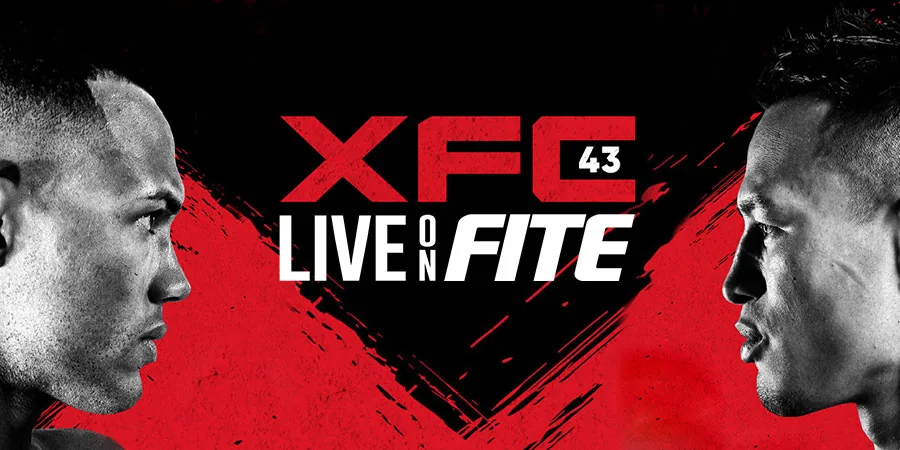
XFC 43 Main Event And Co-Main Event Announced
The main event and co-main event were confirmed for XFC 43, the promotion's historic relaunch card on November 11 at The Tabernacle in Atlanta, Georgia, broadcast live on NBC Sports Network during primetime. Announcing the two headline bouts was the clearest sign yet that the comeback had moved from planning into booking, because a card cannot be marketed until the promotion is willing to put names on it and stand behind them publicly.
The main event in the bantamweight division
In the main event, former XFC Featherweight Champion Guilherme Faria returned to the Hexagon against Andre "The Asian Sensation" Soukhamthath in the bantamweight division. Faria, a 29-year-old Brazilian, came into the bout undefeated in four trips to the Hexagon and was widely regarded as one of the most dangerous fighters in Brazil, with thirteen of his wins having come by finish. A victory would have moved his record to 17-8 and given him the statement performance he wanted in front of an international audience.
Soukhamthath arrived having already established himself as one of the leading bantamweights in the sport after a seven-fight run in the UFC Octagon. A former champion training out of American Top Team in Coconut Grove, Florida, the Rhode Island product was hunting a ninth knockout as a professional. Matching a decorated Brazilian grappler against a heavy-handed American striker is the kind of stylistic collision that makes a main event easy to sell and hard to predict.
How the promotion framed the announcement
XFC President Myron Molotky was direct about why these two names were chosen for the relaunch. He noted that fans had been demanding to see Faria back in the Hexagon for years, and described Soukhamthath as an extremely talented fighter who pushed the pace and always looked for the finish. In his view the two were evenly matched world-class opponents, and he said the fans would witness fireworks inside the Hexagon.
That framing matters more than it looks. A relaunch card has to answer a simple question for a new viewer: who are these people and why should I care? Naming a returning former champion against a fighter with major-league experience answers it without requiring any marketing copy at all, because the story is contained in the records and the styles.
The co-main event
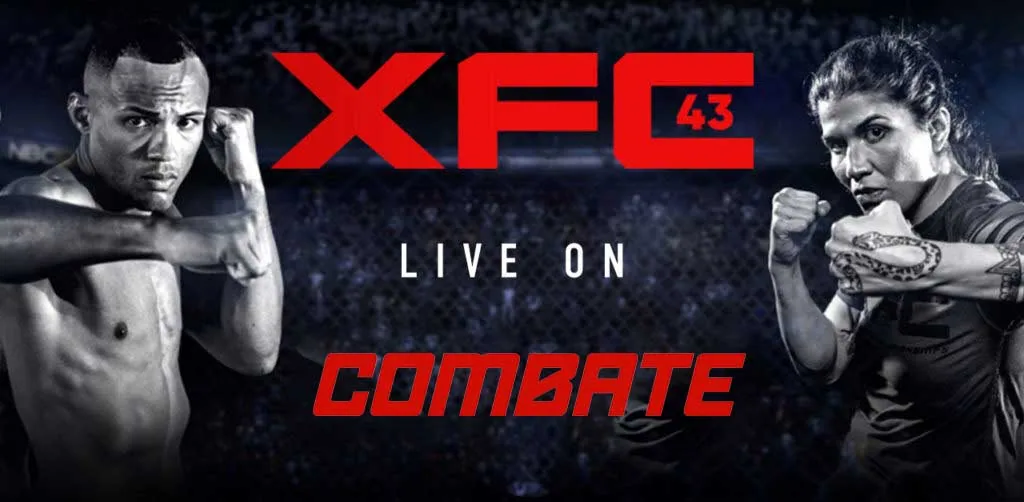
In the co-main event, women's MMA stars Jessica "JAG" Aguilar and Danielle "Dynamite" Taylor were matched in 115-pound action. Aguilar was making her hotly anticipated Hexagon debut and arrived with the reputation of an icon of the sport, while Taylor brought the kind of durability and pressure that makes a strawweight bout difficult to coast through. Positioning that bout directly beneath the main event was a deliberate statement about how seriously the promotion intended to treat its women's divisions.
Promotions that build a women's division properly do it by giving the athletes genuine co-main slots rather than the opening bout of the night. A 115-pound contest placed second from the top of a live network broadcast is a platform, and the fighters who receive it are the ones a promotion intends to build around for the next several years.
What the venue brought to the night
The Tabernacle in Atlanta is a converted historic building that has hosted music for decades, which gives a fight card a compact, loud and visually distinctive setting. Promotions returning to television after a break generally choose rooms that look good on camera and fill easily, and a mid-sized venue in a major market does both while keeping the atmosphere tight enough to read on a broadcast.
The choice of Atlanta also made sense commercially. The city is a long-established combat sports market with a large catchment area, strong local gyms and an airport that makes it easy for fighters from several countries to reach the venue. For a relaunch that wanted to announce itself as national rather than regional, that combination is difficult to beat.
Why the broadcast mattered as much as the bout
The card was carried live on NBC Sports Network in primetime, which put the promotion in front of a mainstream American audience rather than behind a paywall or a subscription app. For a company whose model depends on being discovered by new viewers, that slot was as important as the matchmaking, and the main event was designed to be a bout a first-time viewer could understand in a single round.
- A returning former champion against a decorated striker at bantamweight.
- A women's strawweight contest in the co-main event slot.
- Live primetime coverage on NBC Sports Network.
- A historic mid-sized venue in a major southern market.
The work behind a headline card
Behind a two-fight announcement sits a long operational checklist. Contracts have to be signed, medical clearances obtained, officials appointed and broadcast windows agreed before a promotion is willing to publish names. The table below lists the main steps in the order they usually happen, which is why the announcement is normally one of the last things the public sees rather than the first.
| Step | What it covers | Why it comes early or late |
|---|---|---|
| Contracts | Signing both athletes | Nothing else can be promised first |
| Medicals | Clearance and licensing | A failed test cancels the bout |
| Venue | Date, capacity and production | Sets the broadcast start time |
| Officials | Referee and judging panel | Named after the card size is known |
| Announcement | Public confirmation | Only once every piece is agreed |
| Marketing | Promotion and media | Runs from announcement to fight night |
What the card meant for the relaunch
A relaunch is judged in the end by the fights it delivers, not by the promises around them. Putting a former champion in the main event of the first card back told fighters on the roster that the promotion intended to reward people who had already competed in the Hexagon, and it told broadcasters that the product would be built on credible matchmaking rather than on novelty. Both audiences are small and sceptical, and both read a fight card very carefully.
Fight schedules change constantly because of injuries, licensing and television windows, so results and later bookings belong on the Schedule and in the Press Releases section rather than in a preview such as this one. What this page records is the announcement itself and the reasoning behind it, which is the part that does not change when a bout is rescheduled.